

Food
A lifelong enemy

The porta-potty is not the most elegant of locations. The mere idea of entering one can force your brain to anticipate the scenery you’ll encounter, including the smell. But, let me take the porta-potty experience a step forward. Imagine rushing into one, leaning over the hole, and vomiting into one. But, wait, let me make it worse. As you vomit into the blueish-green liquid, you realize you should have paid more attention in physics. The chunks you’ve blown, lead to the blueish-green liquid splashing all over your space. Disgusting. Well, that was me at my first homecoming game experience in college, and it was all avoidable. I did it to myself.
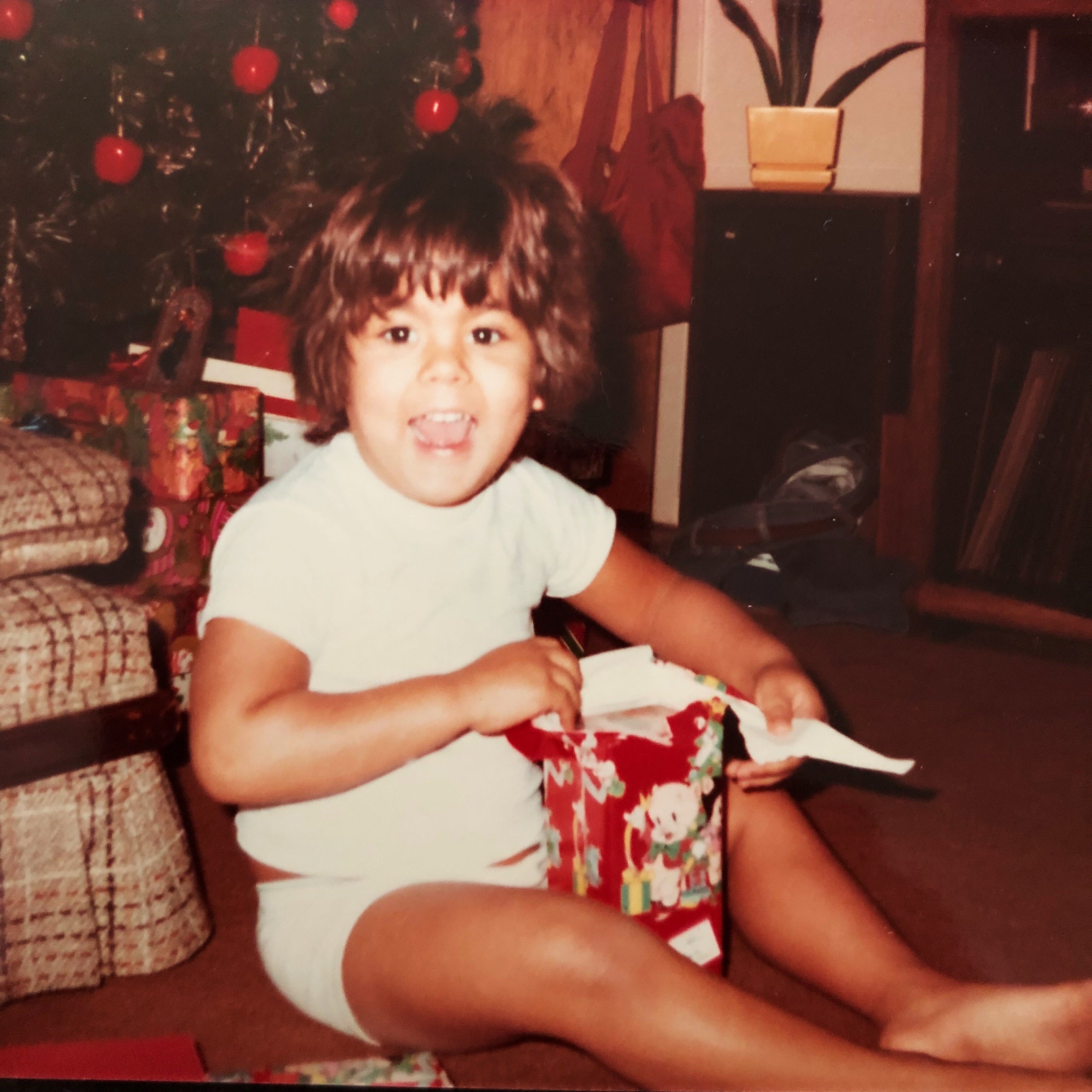
Growing up, I was always the “big kid.” My size was a source of ridicule from other kids, a constant reminder that I didn’t quite fit in—literally and figuratively. But there was one thing people admired, even celebrated: my ability to eat. I became known for it. “Look at how much he can pack away,” they’d say. I was a proud member of the Clean Plate Club. What they didn’t realize was that every bite, every plate, every laugh at my “eating prowess” felt like a subtle endorsement of my size—a cycle I was unknowingly trapped in.
Then, in 1994, everything changed. I broke my jaw. With my jaw wired shut for eight weeks, I suddenly found myself unable to eat in the way I always had. I lost 65 pounds as my food intake dwindled and I kept training hard for the baseball season. I went from 5’9” and 205 pounds to 140 pounds. I felt different—lighter, faster, stronger. I liked my new body and the power I felt in it. I was determined to keep it, to stay lean and agile. But I still loved food.
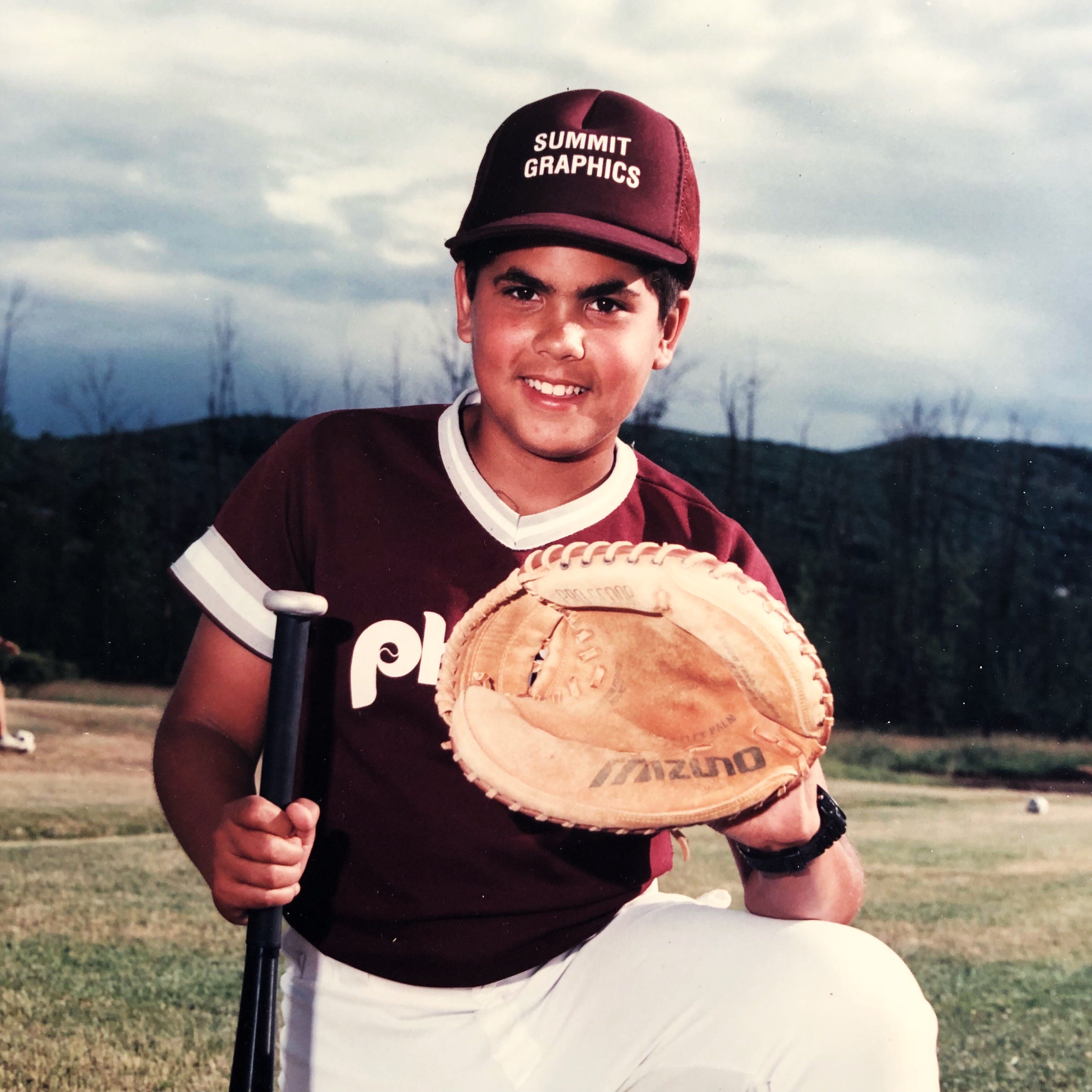
This inner conflict—this tug-of-war between my love for food and my newfound commitment to being thin—became the starting point of my lifelong battle with bulimia. I wanted to hold on to the person I’d become, but the desire for food was equally powerful. It’s a tension that, in some ways, I’m still trying to resolve today.
For a while, I managed to strike a balance. But as my fixation with food grew, it took a toll on my body, my athletic performance, and ultimately, my dreams. Long-distance running became a fascinating outlet. Look at a long-distance runner. What do you see? They’re tall and thin. I excelled at running, a sport I had never even tried until my junior year of high school.
Running was secondary. I wanted to play baseball at the highest level. I was good. How good? Division I good, with offers from multiple schools. But I began losing muscle mass, shrinking to the point where I could no longer play with the strength and stamina I once had. I shifted positions, moving from catcher and third base, to 2nd base. I could no longer throw fast. I compensated by learning new pitches and eventually became what they call a “crafty” pitcher. My aspirations for college ball and beyond faded as my health declined. I could see where I wanted to be, but my body wasn’t keeping up, held back by my own struggle.
Since then, I’ve been in and out of therapy, grappling with the addictive pull of bulimia. Eating disorders, like alcoholism, are an addiction. They can be debilitating, isolating, and difficult to break. For me, buffets are danger zones; free food at events triggers an internal alarm. Every day I manage this tension, always aware that one wrong move could throw me off course. There have been good patches and bad patches. Right now, I’m in a “good” phase, but I know this isn’t a problem with a clean finish line. It’s lifelong, always there.
As I reflect on this journey, I worry about today’s young athletes growing up in a world where body image is shaped—and often distorted—by social media. Studies show that up to 68% of female athletes feel pressured to maintain a certain body image due to social media, where they’re constantly comparing themselves to others and internalizing unrealistic standards of “fitness” and “perfection.” Research shows that over 40% of female athletes feel they need to be “thin” to succeed in their sport, and the pressure can lead to eating disorders. Among college athletes, this pressure is even more prevalent, with many feeling the dual demands of maintaining peak athletic performance while also striving for an “ideal” body image that often doesn’t align with the strength and durability required in their sport.
Social media can amplify these struggles. In fact, up to 30% of female athletes report that they feel worse about their bodies after scrolling through platforms like Instagram, which often feature fitness influencers and athletes who appear “perfect.” This pressure to appear lean or thin can drive athletes toward disordered eating, ultimately harming their performance and health.
As a parent, I feel the tension deeply. How do we guide our kids—especially those involved in sports—to develop a healthy relationship with food and their bodies? Should we ask them to “clean their plates,” or does that risk instilling a sense of obligation around food? What words can we use that encourage healthy habits without sparking an obsession over appearance?
Thankfully, there’s more help today than there was in 1994. Back then, support options were limited, and eating disorders weren’t discussed openly. Now, there’s a wealth of resources: medical, mental, and emotional support options; treatment programs; online communities; and apps designed to help people track their mental health and recovery. More people are talking about it, sharing their experiences, lifting the stigma that once kept these conversations hidden.
And yet, for those of us who have struggled, there can still be a sense of shame. Despite the resources, despite the support, I sometimes feel that pull of embarrassment, that internal voice reminding me of my struggles with food and body image. It’s a tough reality to face, even now. But speaking up, being vulnerable, and sharing this story might just make it a little easier for someone else to reach out, to seek help, to know they’re not alone.
As we become more informed, let’s keep the conversation going. Let’s show our kids—especially our young athletes—what healthy really looks like: not just in appearance, but in mindset and self-acceptance. If we can do that, maybe, just maybe, they’ll navigate their own paths with a bit more ease than we did.